

Last updated: 12 November 2026. By Kousik Bhattacharya, Founder and CEO, Clickseek Digital.
What does a growth marketing agency do? It finds the stage of your funnel that leaks the most money, runs tests to fix it, and keeps the changes that move revenue. That covers acquisition, activation, retention and referral, not only ads. This guide shows what the work looks like week to week, how it differs from a performance or digital agency, and how to judge one before you sign.
Key takeaways
A growth marketing agency runs a structured testing programme across your whole customer journey. It picks the funnel stage with the biggest drop-off, writes hypotheses, ships tests in short cycles and measures the effect on revenue. It works on ads, landing pages, onboarding, email, WhatsApp follow-up and retention, not on one channel alone.
In practice the work splits into four jobs:
The word “growth” gets used loosely. Some agencies call any paid media retainer growth marketing. The test is simple: ask what they changed last month outside the ad account. If the answer is nothing, it is a media buying service.
A performance marketing agency buys media against a cost per lead or return on ad spend target. A digital agency usually delivers a fixed list of services such as SEO, social and design. A growth marketing agency owns a business number and uses whichever channel or fix moves it, including product and retention work.
| Point | Growth marketing agency | Performance marketing agency | Digital marketing agency |
|---|---|---|---|
| Main goal | Revenue or qualified pipeline across the funnel | Cost per lead, cost per acquisition, ROAS | Delivery of agreed services |
| Scope | Acquisition, activation, retention, referral | Paid channels, tracking, ad creative | SEO, social, content, design, ads |
| Way of working | Test backlog, short cycles, keep or kill | Campaign optimisation and budget shifts | Monthly deliverables and calendars |
| Touches your product or onboarding | Often | Rarely | Rarely |
| Best for | Companies with traction that need the next step up | Companies with a proven offer that need more volume | Companies that need steady execution |
None of these is better in general. If your paid funnel already converts and you need more volume, a performance marketing agency may be the right hire. If leads arrive but few turn into customers, you need someone who will look past the ads.

Use this map in every pitch. Ask the agency which stages it will own, which metric it will report for each, and what a typical first test looks like. A real growth partner will give specific answers for at least three stages. A media buyer will talk mostly about the first one.
| Stage | Question it answers | Metric to report | Typical first tests |
|---|---|---|---|
| Acquisition | Are the right people arriving? | Cost per qualified visit or lead, by channel | Audience and keyword cuts, new creative angles, offer tests |
| Activation | Do they take the first valuable action? | Landing page or sign-up conversion rate | Shorter forms, clearer headline, proof near the call to action |
| Revenue | Do leads or trials turn into money? | Lead to customer rate, cost per customer | Faster follow-up, WhatsApp or email sequences, sales hand-off rules |
| Retention | Do customers come back or stay? | Repeat purchase rate, churn, cohort revenue | Onboarding messages, win-back flows, renewal reminders |
| Referral | Do customers bring others? | Share of new customers from referral or reviews | Review requests, referral offers, partner programmes |
This is a version of the classic acquisition, activation, retention, revenue and referral model. We put revenue third because in the lead-generation accounts we review, the leak we see most often sits between “lead received” and “deal closed”, not at the top of the funnel.

A good growth agency runs on a fixed rhythm. It keeps one ranked list of test ideas, ships a small number each cycle, and reviews results on a set day. Each test has a hypothesis, a metric, a minimum run time and a decision rule written before launch. Tests that win are rolled out. Tests that lose are logged.
A typical two-week cycle looks like this:
The tools matter less than the discipline. Google Ads lets you run a custom experiment that splits a campaign’s traffic and budget between the original and a test version. For on-site tests, note that Google Optimize is gone: Google confirms it stopped working on 30 September 2023. Ask any agency still listing it which testing tool it uses now.
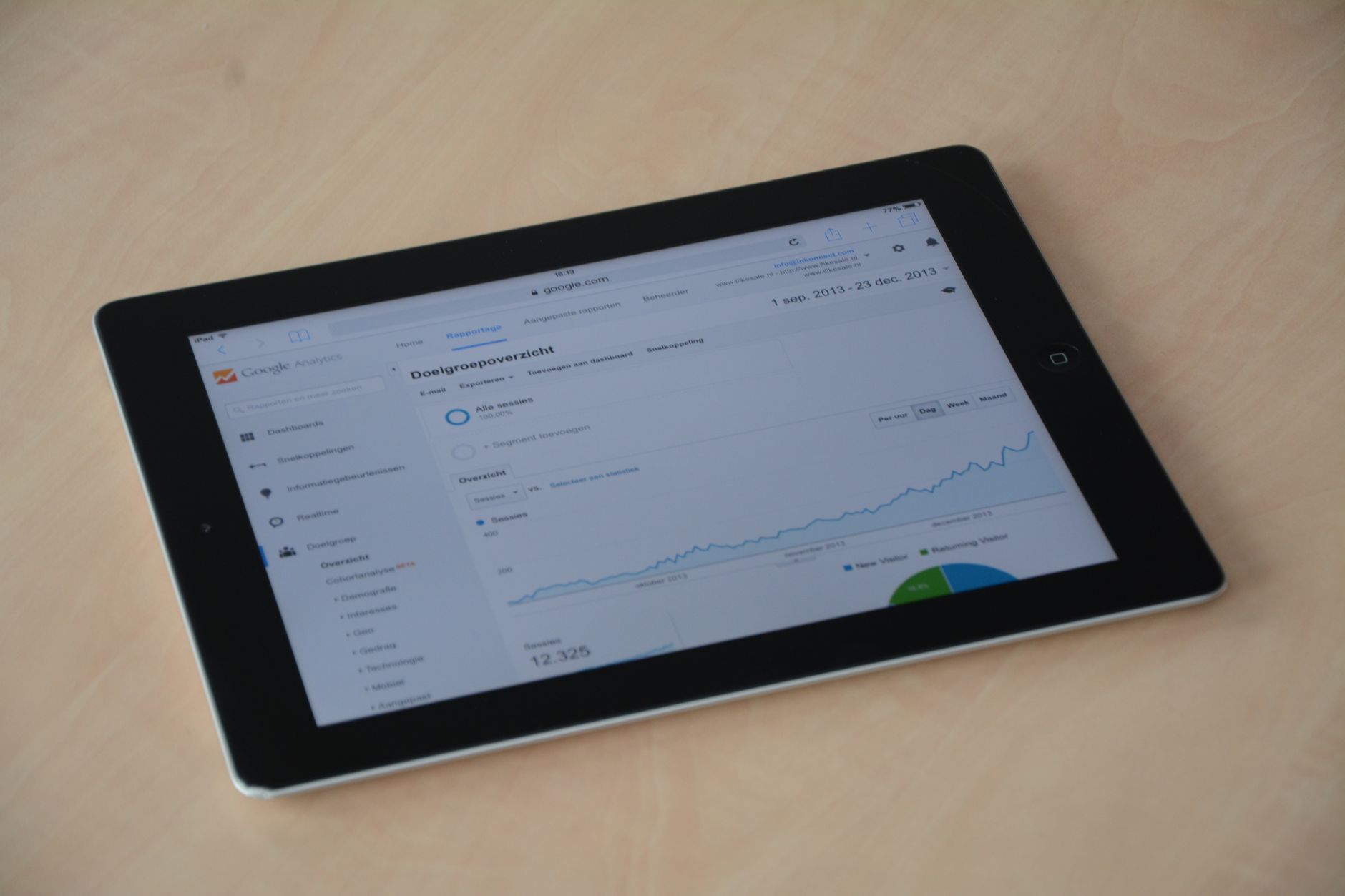
A growth agency should measure the funnel from first visit to closed revenue, not stop at the ad platform. That means a clean analytics property, conversion events that match business value, and a link between your CRM and the ad platforms so qualified leads and sales flow back as signals. Without this, every test result is a guess.
The minimum setup we look for:
If you sell into the UK or EU, consent must reach your analytics and ad tags before you judge results. In India, check your lead forms and data handling against current data protection rules. Ask the agency who on their team handles this.
You need a growth marketing agency when you have a product people buy, some steady demand, and a clear gap between leads and revenue that your team has no time to fix. Before product-market fit, an agency mostly burns budget. With a large, stable in-house team, you may need specialists instead.
Signs that you are ready:
Signs that you are not ready: no clear offer yet, no CRM, or no one internally who can approve page and product changes within a week. Growth work stalls without fast decisions.
Judge a growth agency on four things: who owns the accounts and data, how it measures success, how many tests it actually ships, and how it is paid. Ask for a sample test log and a real report with the client name removed. Agencies that run real programmes have these ready.
Questions worth asking in the pitch:
On that last point, a fee tied to a percentage of ad spend rewards higher spend, not better results. We explain the trade-offs in our post on fee-only agency pricing. If paid search is a big part of your spend, run our Google Ads audit checklist first so you know your baseline.
Red flags: guaranteed growth numbers before they see your data, accounts created under the agency’s login, reports with clicks and leads but no revenue, and “growth” proposals that list only ad management.
The method is the same in every market. Local details change the channels and the setup.
We run growth work on the funnel map above. You own every account from day one. We work on a fee-only model with no percentage of ad spend, and you pay Google and Meta directly. Our first two weeks go to measurement and a ranked list of leaks. Tests start after that.
Two things shape how we work. We are an official Meta Business Partner and an official WhatsApp Business API provider, so ad leads can move straight into WhatsApp follow-up and your CRM, which is where many revenue-stage tests happen. We have also run CRO on 60+ websites and have 200+ AI automation projects in production, so page tests and follow-up automations are built in-house, not outsourced. Clickseek is a growth marketing agency, and this guide reflects how we sell and deliver that service.
See the full scope on our growth marketing services page, or our performance marketing services if paid media is your main need.
Want to know which stage of your funnel leaks the most? Talk to our team. We will review your funnel, tracking and account ownership, and tell you plainly what we would test first.
It runs a structured testing programme across your whole funnel: acquisition, activation, revenue, retention and referral. It finds the biggest drop-off, ships tests in short cycles, and keeps the changes that improve revenue or qualified pipeline. It works on ads, pages, follow-up and retention, not one channel.
Performance marketing focuses on paid media and measures cost per lead or return on ad spend. Growth marketing covers the full customer journey, including onboarding and retention, and measures revenue. Many growth programmes include performance marketing as the acquisition stage.
It depends on scope, the number of funnel stages covered, and whether the agency builds pages, creative and automations itself. Common models are a fixed monthly fee, a percentage of ad spend or a hybrid with a performance bonus. Ad spend is separate. Ask for a written scope so you can compare quotes fairly.
Usually only after you have a product people pay for and some repeatable demand. Before that, most growth spend goes on finding the offer, which founders do best themselves. Once demand is steady, an agency can speed up testing.
Expect the first two to four weeks on measurement and the test backlog. Early wins often come from fixing obvious leaks such as slow lead follow-up or weak landing pages. Judge the programme on the trend in your business metric over a quarter, not on a single test.
Everything. Your ad accounts, Meta Business Manager, GA4 property, tag manager container, CRM, landing pages and creative files should sit under your business, with the agency given partner access. If you part ways, you remove access and keep all data and history.

Bangalore, India
